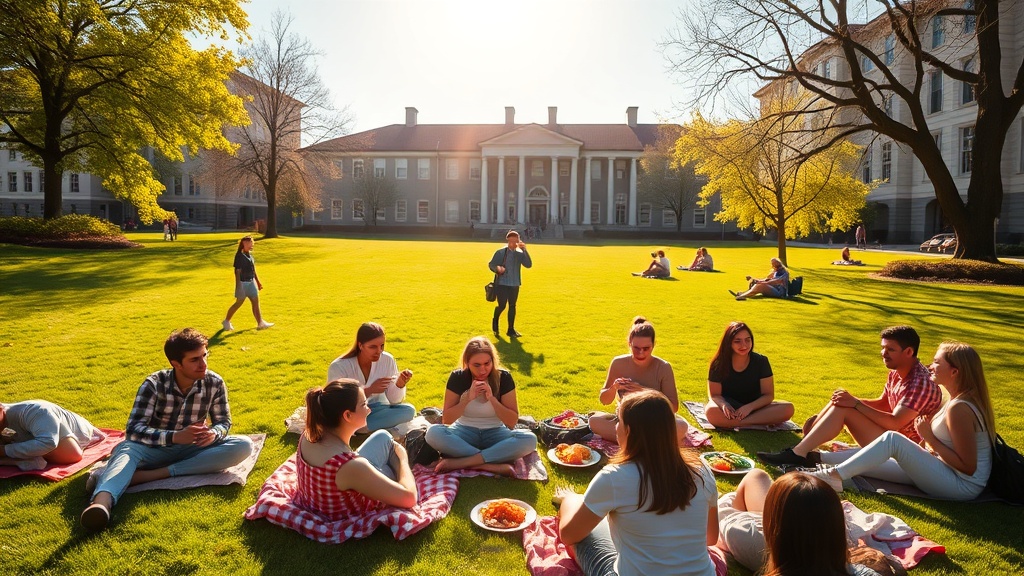
Bio‑Harmony: Sync Meals with Your Circadian Rhythm This Spring

Hook
Ever feel like you’re dragging through morning lectures even after a full night’s sleep? Your meals might be out of sync with your body’s internal clock — and fixing that can give you a spring‑time energy boost without any caffeine crash.
Context
Spring brings longer daylight, but most college students still eat on a “when I’m hungry” schedule. Aligning meal timing with your circadian rhythm—what I call bio‑harmony eating—helps you stay sharp for those end‑of‑semester projects, labs, and late‑night study sessions.
What is bio‑harmony and why does it matter for college students?
Bio‑harmony means matching daily habits—especially food intake—to the natural rise and fall of your circadian rhythm. Research shows that eating when your body expects food can improve metabolism, mood, and cognitive performance [Harvard Health Publishing]. As a first‑gen student juggling classes, work, and a social life, I’ve found that a few timing tweaks make my days feel engineered for success.
How does the circadian rhythm affect your energy and focus?
Your internal clock regulates hormone release, body temperature, and alertness. Cortisol peaks shortly after waking, priming you for mental work, while melatonin rises in the evening, signaling sleep. Eating heavy meals during the night can blunt these signals, leading to sluggishness and poorer sleep quality. Align meals with these hormonal waves, and you’ll notice steadier focus throughout the day.
When should you schedule your main meals in spring?
| Time of Day | Recommended Meal | Why |
|---|---|---|
| 7 am – 9 am | Light breakfast (protein + fruit) | Supports the cortisol surge and jump‑starts glucose for morning classes. |
| 12 pm – 2 pm | Balanced lunch (complex carbs, veg, lean protein) | Keeps blood sugar stable for afternoon labs and group work. |
| 5 pm – 7 pm | Moderate dinner (lighter carbs, more veg) | Allows digestion before melatonin rise; avoids late‑night metabolic slowdown. |
| Optional 9 pm snack | Small protein‑rich snack (Greek yogurt, nuts) | If you need a night‑time study boost, keep it under 150 cal to avoid sleep disruption. |
Tip: On days with daylight‑saving shifts, move each meal 30 minutes later to stay in sync with the new sunrise time. I detailed that adjustment in my post on how to adjust your college routine for better sleep and productivity after daylight saving.
Which foods boost your circadian alignment?
- Light‑rich foods: Citrus, berries, and leafy greens enhance alertness in the morning.
- Protein‑heavy choices: Eggs, Greek yogurt, and lean meats stabilize glucose for mid‑day focus.
- Complex carbs: Quinoa, sweet potatoes, and whole‑grain pasta support steady energy without spikes.
- Magnesium‑rich snacks: Pumpkin seeds, dark chocolate (70 %+), and bananas promote relaxation in the evening.
For a deeper dive on the science behind meal timing, see the National Sleep Foundation’s guide on meal timing and sleep.
How can you track and adjust your meal timing easily?
- Set a simple alarm for each meal window on your phone.
- Log meals in a free app like MyFitnessPal, noting the time and main food groups.
- Review weekly: Look for patterns where energy dips coincide with off‑clock meals.
- Tweak 15‑minute increments until you feel a natural flow. I use a spreadsheet template I built for my own routine—feel free to ask me for a copy in the comments!
Takeaway
By shifting breakfast to early morning, lunch to early afternoon, and keeping dinner light, you’ll harness spring daylight to fuel your brain, not drain it. Try the schedule for one week, track your focus, and you’ll see a measurable boost in productivity—no extra caffeine required.
Related Reading
- Bio‑Harmony: Crafting a College Routine That Syncs with Your Circadian Rhythm — A broader look at sleep, study, and wellness alignment.
- How to Build Age‑Defying Habits into Your College Routine This Spring — Complementary habits that pair well with bio‑harmony eating.
FAQ (FAQPage schema)
{
  "meta": {
    "faqs": [
      {"question": "What is bio‑harmony eating?", "answer": "Bio‑harmony eating means timing your meals to match your body’s circadian rhythm, optimizing energy and focus."},
      {"question": "When is the best time to have breakfast for a college student?", "answer": "Aim for 7 am – 9 am, when cortisol peaks, to jump‑start alertness for morning classes."},
      {"question": "Can I still eat late at night if I have exams?", "answer": "Yes, but keep it light—under 150 cal protein‑rich snacks—to avoid disrupting melatonin production."}
    ]
  }
}