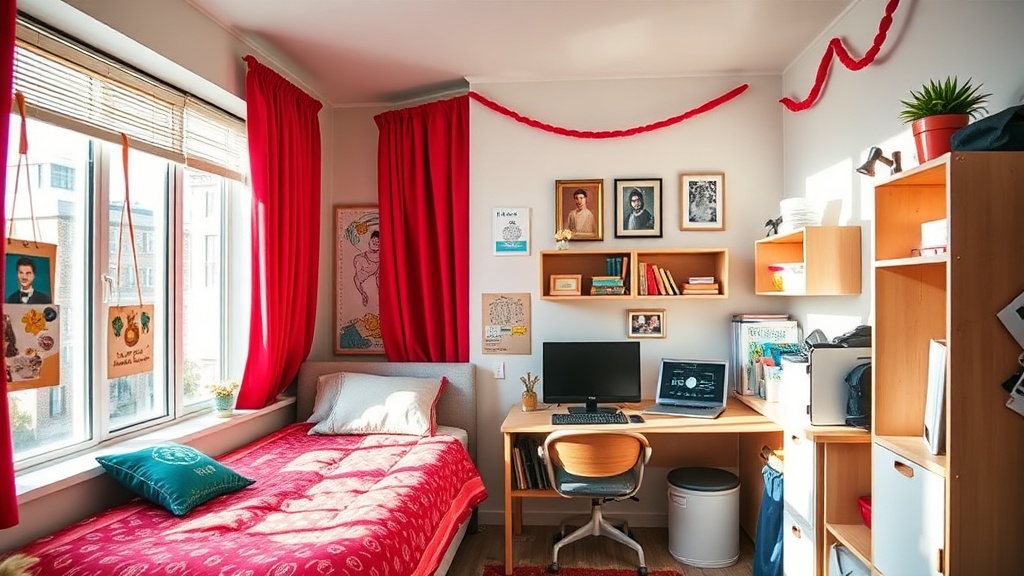
Upcycling Dorm Decor: Transform Oscar Leftovers into Eco‑Chic Spring Refresh

Ever wondered how to turn Hollywood’s biggest leftovers into a chic dorm makeover? The Oscars may shine on the red carpet, but that fabric and cardboard often end up in landfills. This spring, you can snag those materials and give your dorm a fresh, sustainable vibe without breaking the bank.
What event leftovers are actually available for students?
After the Academy Awards, the production crew discards a surprising amount of material: rolls of red‑carpet, foam board set pieces, and even decorative banners. The New York Times highlighted how LA resident Paige Thalia rescued these scraps for an instant floor upgrade. While you probably can’t snag the exact same pieces, local event venues, theater groups, and university productions regularly have similar leftovers they’re happy to give away.
Where can I find these materials near campus?
- Student unions and campus theaters—ask the facilities manager about post‑production scraps.
- Local community centers—many host award‑show viewings and discard décor afterward.
- Online “freecycle” groups—search for keywords like “red carpet,” “cardboard set,” or “event fabric.”
- Campus sustainability office—often coordinates donations of reusable materials.
How do I transform Oscars‑style fabric into eye‑catching wall art?
Step‑by‑step, here’s a simple project that turns a roll of red‑carpet into a statement piece:
- Measure and cut. Determine your wall space (e.g., 3 ft × 2 ft). Cut the carpet into 6‑inch strips.
- Prepare a frame. Use inexpensive pine wood (available at campus hardware stores) to build a shallow frame. Secure with nails or a brad nail gun.
- Attach the strips. Glue each strip onto the frame, alternating direction for a subtle texture.
- Seal and protect. Apply a clear acrylic sealant (budget‑friendly, EPA‑approved) to keep the fabric from fraying.
- Hang. Use picture‑hanging strips that won’t damage dorm walls.
Cost estimate: $15–$20 for wood and sealant; the fabric is free.
Pro tip: Add a personal touch
Stitch a small quote or your name onto the fabric before framing. It becomes a conversation starter and a reminder of your eco‑friendly effort.
What’s the easiest way to build sturdy shelves from cardboard set pieces?
Cardboard from set construction is surprisingly robust when reinforced. Follow these steps to create a lightweight yet functional shelf:
- Collect flat cardboard panels. Look for pieces at least 12 inches wide and 24 inches tall.
- Reinforce edges. Apply a thin layer of wood glue along all seams, then press with clamps or heavy books for 30 minutes.
- Add support brackets. Cut small wooden dowels (½ in × 6 in) and insert them into pre‑drilled holes on the back panel for extra rigidity.
- Paint or decoupage. Use a spray paint that matches your dorm’s color scheme, or apply a patterned decoupage for flair.
- Mount securely. Use adhesive wall hooks rated for the shelf’s weight; avoid drilling into shared walls without permission.
Typical cost: $10–$12 for glue, dowels, and paint—again, the cardboard is free.
Common mistake: Overloading the shelf
Even reinforced cardboard can sag under heavy books. Keep the load under 5 lb per shelf, or use a second support brace if you need more capacity.
How do I calculate the sustainability impact of my upcycled dorm makeover?
Every pound of material diverted from landfill reduces carbon emissions. According to the EPA’s waste hierarchy, reusing materials prevents roughly 1.5 lb of CO₂ per pound of fabric or cardboard saved. A typical red‑carpet roll (≈ 30 lb) and a set of cardboard panels (≈ 20 lb) together offset about 75 lb of CO₂—equivalent to driving a car 300 miles.
Quick calculator
- Gather weight of each material (you can estimate or ask the donor).
- Multiply by 1.5 lb CO₂ per lb.
- Sum for total emissions avoided.
Plug your numbers into a simple spreadsheet, and you’ll have a tangible sustainability brag for your resume or a future scholarship application.
Where can I find more budget‑friendly upcycling ideas?
Check out our previous guide for a broader list of dorm‑friendly swaps:
- Sustainable Dorm Upgrades: 7 Easy Swaps
- Spring Refresh: 6 Science‑Backed Habits
- Creative St. Patrick’s Day Ideas for College Students
What’s the next step after your DIY upcycle?
Show off your project on campus social media with the hashtag #EcoChicDorm. Not only will you inspire peers, but you’ll also build a portfolio of sustainable design work—great for future internships in interior design, event planning, or environmental consulting.
Ready to turn those award‑show leftovers into a dorm that dazzles? Grab a roll of fabric, some cardboard, and start crafting your spring refresh today.
Takeaway: Upcycling event leftovers costs under $30, cuts hundreds of pounds of CO₂, and gives your dorm a unique, Instagram‑ready look. It’s the perfect blend of sustainability, style, and student savvy.