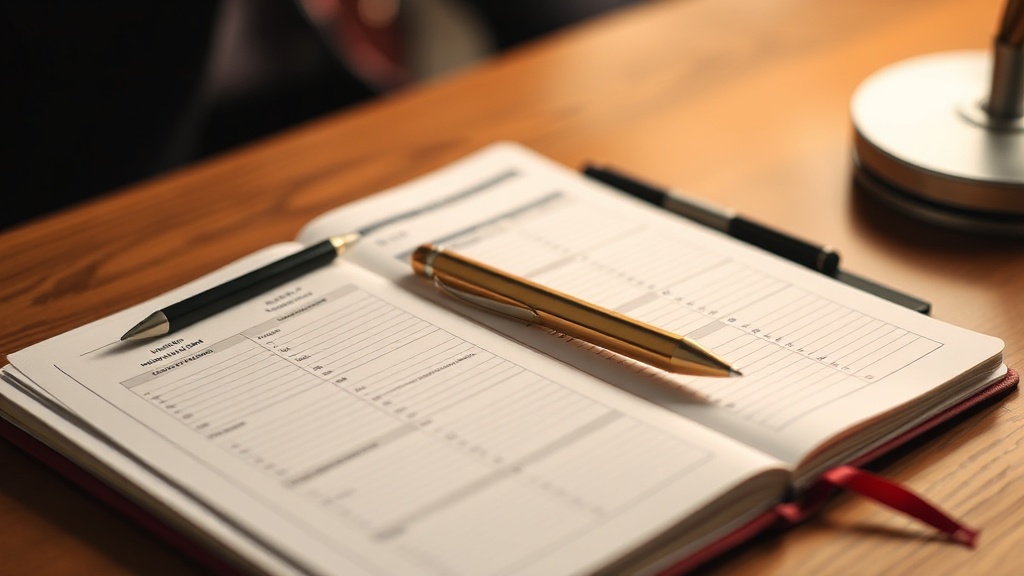
Why You Should Use a Physical Planner Alongside Your Digital Calendar

Quick Tip
Use your digital calendar for alerts and your physical planner for deep focus and visual planning.
Many students believe that a digital calendar is the only tool needed to manage a heavy course load. While Google Calendar or Apple Calendar are excellent for setting recurring alerts and time-blocking classes, relying solely on a screen often leads to "notification fatigue" and a lack of true cognitive engagement with your tasks. Using a physical planner alongside your digital tools creates a dual-layer system that improves memory retention and provides a tactile way to visualize your weekly goals.
The Cognitive Advantage of Handwriting
When you type a deadline into a phone, it is easy to treat the notification as a minor distraction. However, the act of physically writing "Midterm Exam - Bio 101" in a paper planner forces your brain to process the information more deeply. This tactile engagement helps cement dates in your long-term memory. If you find yourself struggling with focus during heavy study weeks, combining this method with the Pomodoro Technique can ensure your scheduled breaks and study blocks are actually respected.
How to Structure Your Dual-System
To make this work without doubling your workload, you must assign specific roles to each tool. Do not try to replicate every single detail in both places. Instead, use this framework:
- Digital Calendar (The "What" and "When"): Use this for time-sensitive alerts, such as class start times, club meetings, and professor office hours. This is your source of truth for things that change or require immediate notifications.
- Physical Planner (The "How" and "Deep Work"): Use this for high-level weekly goals, daily to-do lists, and mental mapping. Write down your major milestones, such as the date a research paper is due, to keep it front-of-mind throughout the week.
Practical Setup Tips
A good physical planner should be portable enough to fit in your backpack next to your laptop. Brands like Moleskine or Leuchtturm1917 are popular because of their durable bindings and high-quality paper. When you sit down at a library desk or a coffee shop, open your planner to your weekly spread. This acts as a visual anchor that stays open on your desk, unlike a digital tab that can be easily buried under a dozen other browser windows.
By treating your digital calendar as your alert system and your physical planner as your strategic map, you create a more resilient academic routine. This approach prevents the feeling of being overwhelmed by a constant stream of digital pings and gives you a sense of tangible progress as you physically cross off completed tasks.